ЕЛКОМ-НЕТ дооел , Шекспирова 9/1-7 ,
1000 , Скопје , Македонија Тел:
+389 2 3131310 е-маил:
elkomnet@t.mk
,
fb.com/liapor.mk
|
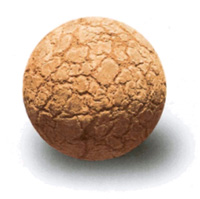
Експандирана глина , керамички
агрегат
достапни фракции:
0-2 mm / 575 kg. m3
1-4 mm / 500 kg. m3
4-8 mm / 350 kg. m3
8-16 mm / 275 kg. m3 |
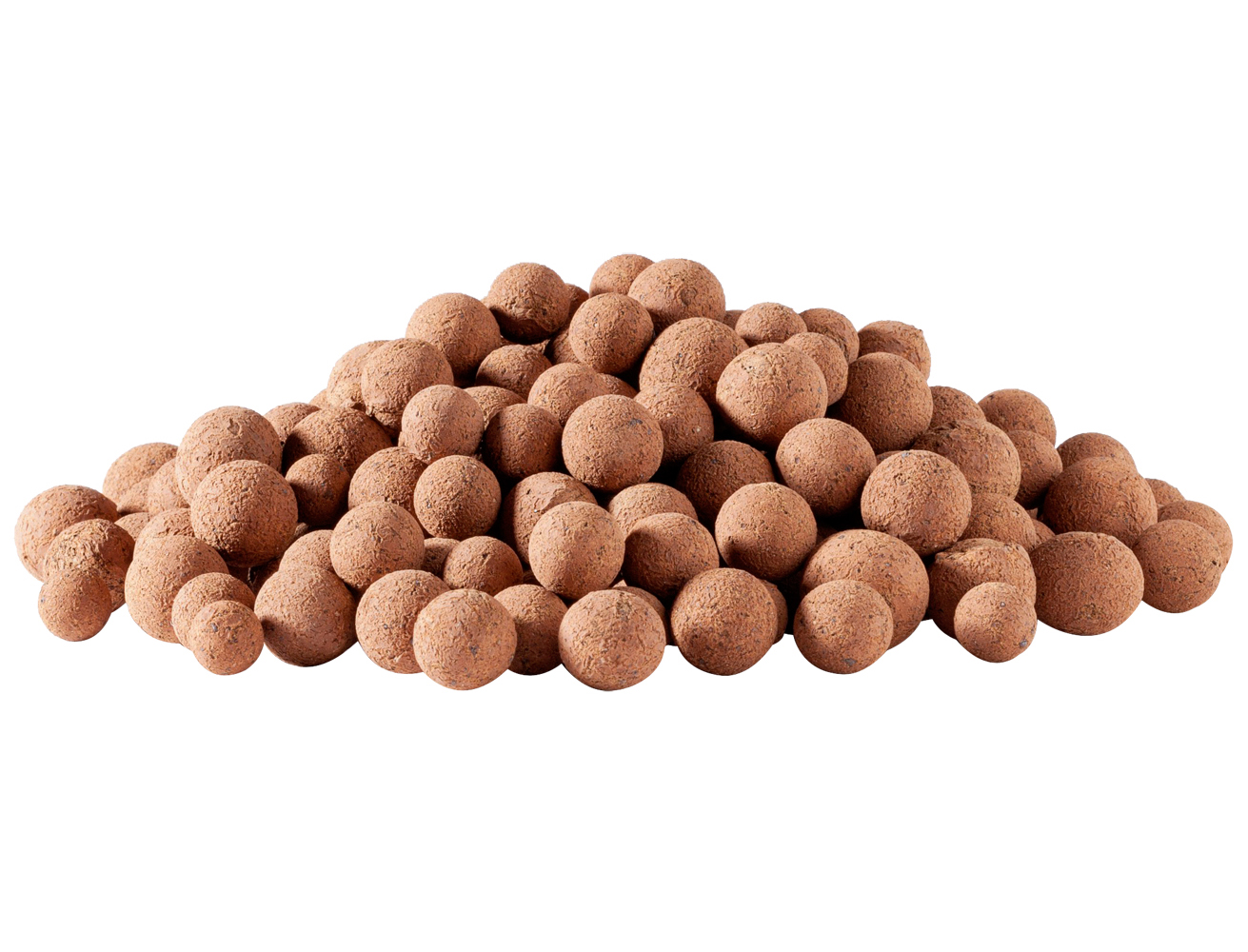
агрегат за потребите на градина и
декорација
достапни фракции;
4-8 mm / 450 kg. m3
8-16 mm /350 kg. m3
|
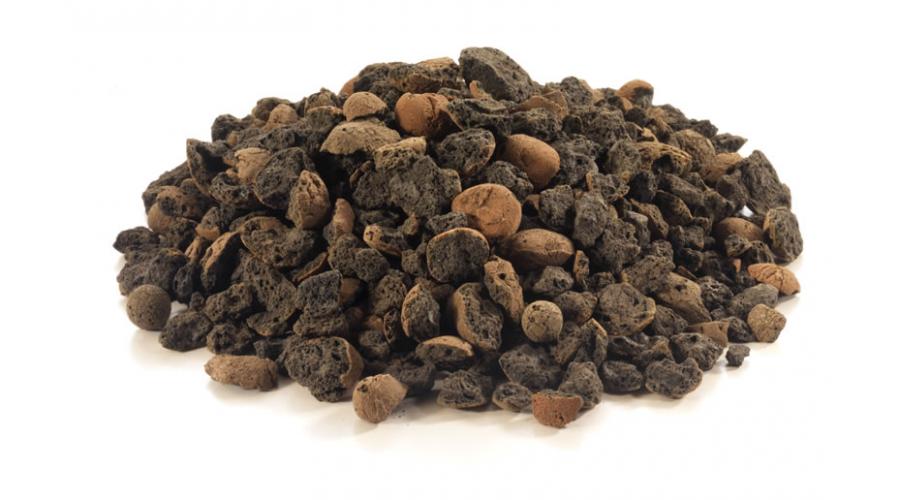
дробен агрегат , субстрат за
растенија
достапни фракции:
2-8/D mm / 415 kg.
m
|
КЛИКНЕТЕ
ОВДЕ ЗА ПРЕВЗЕМАЊЕ НА КАТАЛОЗИ И УПАТСТВА


 l
l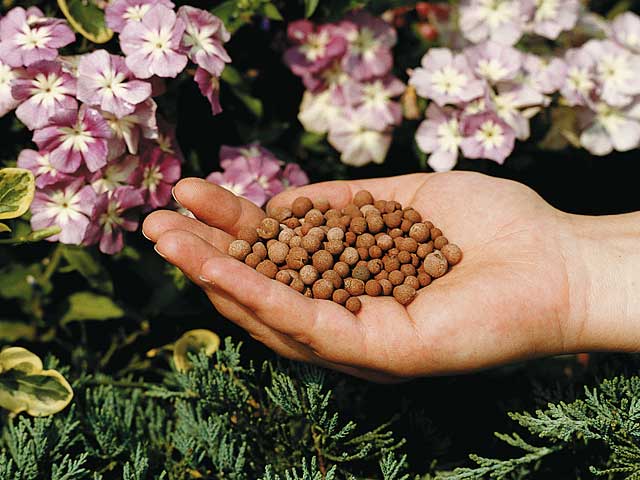
LECA - Light Expanded Clay Aggregate
What is Leca?
You’ve probably seen Leca without knowing it – most commonly
in plant pots. It’s those little brown balls that resemble tiny potatoes. Leca
is a wholly natural product made from clay, which boasts thermal insulation
properties and has a plethora of horticultural/agricultural uses.
An
acronym for Light Expanded Clay Aggregate, Leca is an environmentally-friendly
product derived from a base clay. To manufacture Leca, clay is extruded into a
kiln in pellets, heated, expanded and burned at extremely high temperatures.
During the firing process, any organic materials are burned off, leaving a
lightweight yet strong product which is impervious to dry rot, wet rot and
insects – hence its popularity in plant applications.
It can be purchased in
the standard brown/terracotta pellet form or as a Leca Lightweight Soil, which
is premixed.
What is Leca used for?
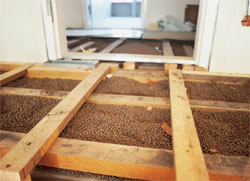
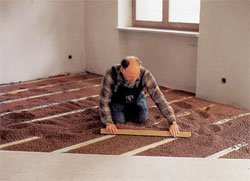
While it’s commonly used in
building insulation due to its thermal conductivity, sound blocking and fire
resistant properties, Leca is a valuable component in horticulture.
For a
start, it’s commonly used in hydroponics (the method of cultivating plants not
in soil but in nutrient-rich solutions). The product doesn’t break down in water
and can resist chemicals, thus it’s ideal for such applications, promoting
growth.
Leca can be blended with soil to improve drainage, boost oxygen and
improve growing conditions, or to reduce weight when using heavy soils. Its
insulating properties make Leca the perfect medium for protecting roots from
cold conditions, plus it can retain liquids and so water plants during periods
of low rainfall.
The premixed Leca Lightweight Soil contains fertilisers and
is a popular choice for green roofs – it doesn’t put undue weight on the
structure, won’t rot away and retains the water so you won’t need to worry (too
often) about trying to feed the grass and/or plants.
It is manufactured in
several sizes and so can suit a variety of needs – from 0.1mm in diameter to
‘boulders’ ranging from 100-500mm. The smaller sizes can be mixed with cement to
create a lighter concrete-like substance that is used to make fake rocks for
gardens or as props.
Benefits of Leca
While Leca is lightweight,
it’s incredibly strong. Plus, where the expansion process creates cavities in
the individual pellets, Leca is also incompressible. It won’t decompose and you
won’t have to worry about watering the soil as often as normal, provided the
product has been given a good soaking beforehand.
As it allows increased
levels of oxygen into the soil, Leca can lead to faster growth and can be used
on structures that cannot take heavy loads – providing a green solution where
soil is not an option. What’s more, Leca’s characteristics means that it won’t
change over time and so can be stored for a long while – meaning you won’t need
to panic about it moulding in the shed.
The soil and Leca combination, which
isn’t packed as tightly as pure soil, leaves lots of room for roots to grow and
expand, without tainting the plants with any unnatural substrates.
No matter
your requirement - tidying your garden, agriculture, or construction – Leca is
worthy of consideration. To find out more and discuss your questions, contact us
on 01458 441 122 or send us an enquiry.
More about Leca
• What is Leca?
• Leca in agriculture
• Leca in construction
• Buying Leca from Woodland
Related products: Leca 4mm-10mm | Leca 8mm-16mm | Intensive Lightweight Mix
http://www.affnanaquaponics.com/2015_09_01_archive.html
http://www.leca.ae/
http://www.woodlandhp.co.uk/guides/leca/
